




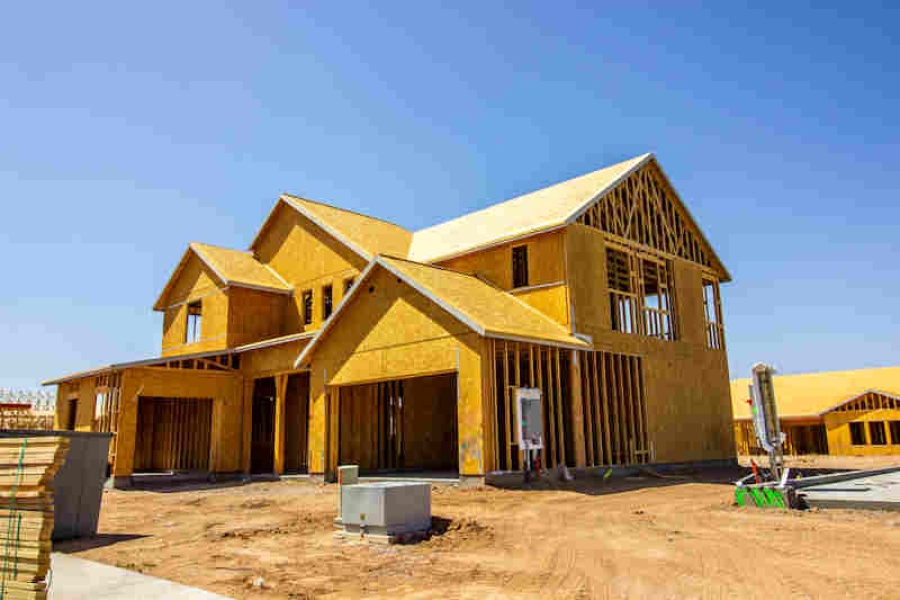
When given a choice, most buyers prefer brand new — whether it’s clothing, cars or houses. But when it comes to homes, new often comes with a hefty price tag.
However, the gap between new and existing home prices varies widely by state. The latest LendingTree study breaks down new and existing property values across the country and highlights how much more income buyers need to afford a new home in each state. Here's what we found.
- On average, new homes across the U.S. are 37.5% more expensive than existing homes. The average price difference is $146,581, with new homes costing a median of $537,791 and existing homes $391,210.
- Connecticut and Pennsylvania are the only states where new homes are more than double the cost of existing ones. New homes in Connecticut cost 125.9% (or $555,660) more on average than existing homes, with Pennsylvania close at 121.4% (or $361,637).
- California, Vermont and Delaware are the only states where existing homes are significantly more expensive on average than new homes. Existing homes in California cost 24.7% (or $193,682) more, ahead of Vermont at 8.8% (or $34,018) and Delaware at 8.0% (or $32,600).
- Households need an average of $46,114 more in annual income across the U.S. to afford new homes compared to existing ones. On average, households need annual incomes of $166,273 for new homes and $120,159 for existing homes.
You can check out the full report here: https://www.lendingtree.com/home/mortgage/new-vs-existing-study/
LendingTree's Chief Consumer Finance Analyst, Matt Schulz, had this to say:
“It may sound great to buy a brand-new home and be free from all those little fixes that pop up when you buy an existing home, but that convenience comes at a steep price. Home buying is already expensive enough today, so be sure to ask yourself if that new home is really worth the extra cost.”