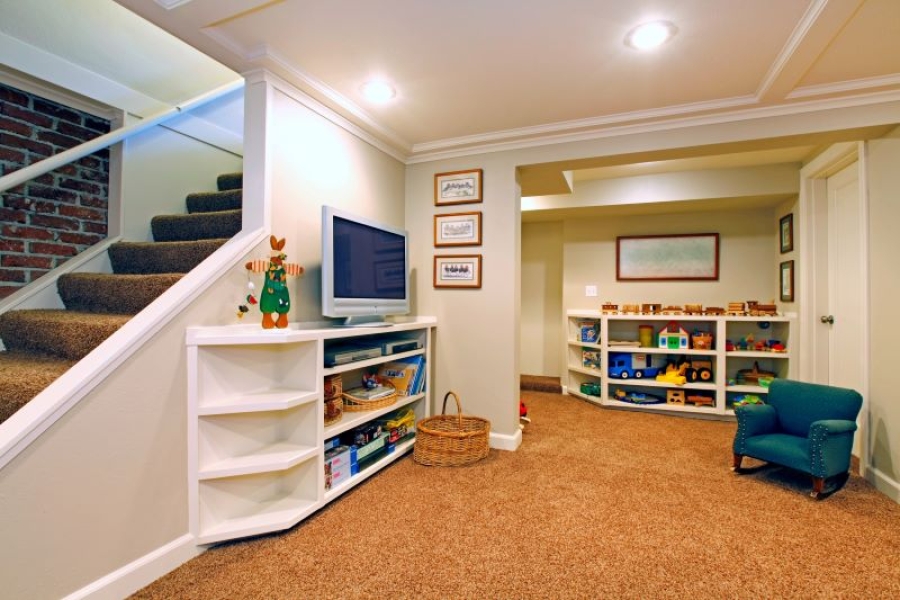
Basements are often underused. In many homes, they serve as storage zones for seasonal décor and forgotten furniture. That is wasted square footage. A finished or upgraded basement can add measurable resale value while giving the home a distinct personality.
Buyers pay attention to usable space. Especially in competitive housing markets. When properly designed, a basement becomes an extension of the main living area, not an afterthought.
The key is strategic upgrades. Not cosmetic shortcuts.
Start With Moisture Control and Structural Integrity
Before adding personality, address performance. Basements sit below grade. That means hydrostatic pressure, seasonal moisture intrusion, and temperature variation.
Install perimeter drainage systems if necessary. Seal foundation cracks with epoxy or polyurethane injection. Consider a sump pump with battery backup. Use rigid foam insulation on foundation walls to control condensation.
Moisture mitigation protects finishes. It also reassures buyers during inspection. A finished basement with unresolved water issues becomes a liability, not an asset.
This step is non-negotiable.
Improve Ceiling Height and Lighting
Low ceilings limit usability. If mechanical systems hang below joists, consider rerouting ductwork or installing a flush-mount drop ceiling system. Painted exposed ceilings can also create a modern industrial look while preserving height.
Lighting changes perception. Basements lack natural light. Recessed LED fixtures with high CRI ratings improve brightness without glare. Add wall sconces for layered illumination. Use 3000K color temperature for warmth without yellowing.
Lighting upgrades are cost-effective. They also photograph well for listings.
Add Functional Living Zones
Basements should feel intentional. Create defined spaces instead of one large open room. Layout planning improves both livability and resale value.
Common functional zones include:
• A media room with acoustic wall treatments
• A home office with dedicated Ethernet lines
• A fitness area with reinforced subflooring
• A guest suite with egress-compliant window
• A recreation area with durable flooring
Egress windows are particularly important. They meet safety codes and allow natural light. Buyers notice when a basement bedroom lacks proper egress. That limits legal occupancy.
Install Durable Flooring Systems
Basement flooring must tolerate moisture variation. Avoid solid hardwood. It expands and contracts too aggressively below grade.
Luxury vinyl plank (LVP) performs well. It resists water and provides impact durability. Engineered hardwood with proper vapor barriers can also work. Tile remains a strong option, especially with radiant floor heating systems.
Subfloor systems that elevate finished flooring slightly above concrete slabs help prevent moisture transfer. These systems improve thermal comfort as well.
Durable flooring reduces long-term maintenance costs. Buyers appreciate that.
Upgrade With a Wet Bar or Kitchenette
A wet bar increases entertainment value. It also supports multigenerational living. Install moisture-resistant cabinetry. Use quartz or solid-surface countertops for durability.
Plumbing access is critical. If drain lines require a macerating pump system, ensure it is professionally installed. Improper plumbing undermines inspection results.
Compact refrigerators, under-counter sinks, and beverage centers add functionality without excessive cost.
Create a Recreation Feature That Stands Out
A unique feature differentiates your basement from competing properties. Game areas are particularly effective.
Installing a quality billiards table transforms the space into a social hub. Buyers with families or frequent guests see immediate lifestyle value. For homeowners exploring cost-conscious options, browsing pre-owned pool tables offers access to high-end craftsmanship at a lower price point.
Recreation features should be proportionate to room size. Maintain at least five feet of clearance around a standard pool table for comfortable play. Poor spacing makes the feature impractical.
This type of upgrade adds personality without compromising resale flexibility.
Soundproofing for Privacy and Comfort
Basements often house mechanical systems. Sound transfer from upper floors can reduce usability.
Install resilient channel systems in ceilings to minimize vibration transfer. Use mineral wool insulation for acoustic absorption. Add solid-core doors for enclosed rooms.
Sound control enhances media rooms and home offices. It also improves perceived quality during showings.
Energy Efficiency and HVAC Zoning
Basements tend to run cooler than upper floors. Dedicated HVAC zoning improves comfort. Mini-split systems offer targeted temperature control without major duct modifications.
Energy efficiency influences buyer decisions. According to the U.S. Department of Energy, heating and cooling account for about 52% of a home’s energy use.
Upgrading insulation and HVAC zoning reduces operating costs. Lower utility bills improve market appeal.
Storage That Feels Built-In
Even finished basements need storage. Custom built-in shelving and concealed storage closets preserve clean aesthetics.
Avoid freestanding shelving units that feel temporary. Integrated cabinetry improves cohesion and durability.
Buyers want storage, but they also want design continuity.
Bathroom Additions Increase ROI
Adding a full or half bath significantly increases functionality. It supports guest suites and recreation spaces.
Plumbing rough-ins simplify installation. If none exist, evaluate slab-breaking costs carefully. Proper ventilation is critical. Basements require high-capacity exhaust fans to manage humidity.
A bathroom addition often provides one of the strongest returns within basement renovations.
Maintain Code Compliance
Permits matter. Electrical upgrades require proper load calculations and panel capacity review. Install GFCI protection where required. Confirm ceiling heights meet local building codes.
Unpermitted work can delay closings. Buyers and inspectors will flag discrepancies. Compliance protects value.
Final Thoughts
Basement upgrades offer strong potential for both lifestyle improvement and property value growth. The most effective renovations focus on structural integrity first. Then they add functional, durable enhancements.
Defined living zones, moisture-resistant materials, energy-efficient systems, and standout recreational features elevate the space beyond storage. When executed correctly, a basement becomes a true living area. Not just extra square footage.
In competitive housing markets, finished and thoughtfully upgraded basements help properties stand out. They add character. They expand usability. And they contribute measurable value when it matters most.