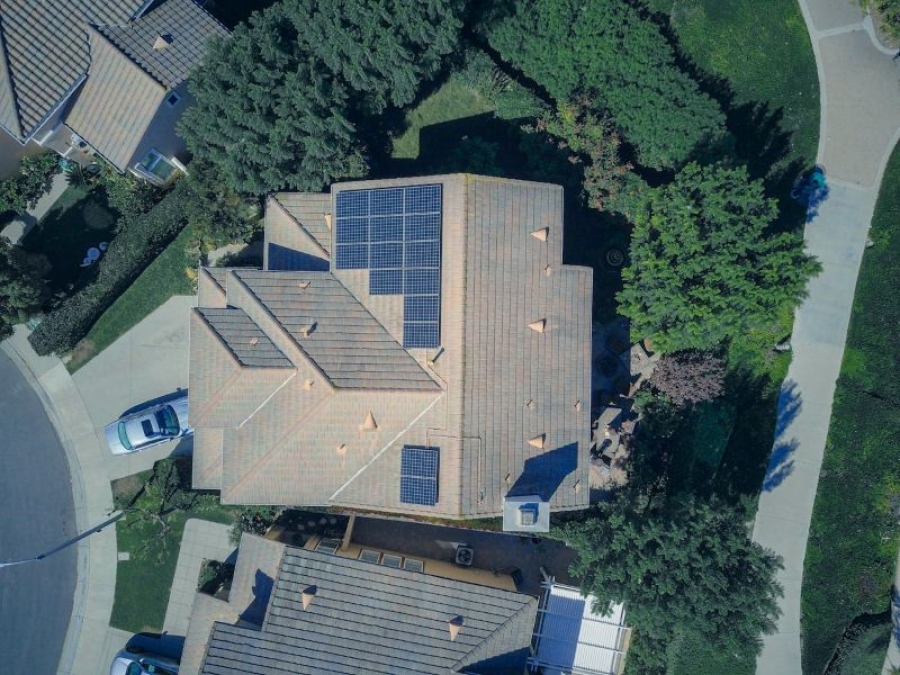
Homes last when their shell works like armor. Protective shielding combines materials and details that block water, manage heat, and control airflow for steady performance.
Built thoughtfully, these layers reduce failures and extend service life. Ventilation, reflective surfaces, and seals keep structures dry, comfortable, and efficient year after year.
What Protective Shielding Really Does
Protective shielding starts by stopping water at multiple checkpoints. Shingles or tiles deflect most rain, but underlayments and sealed decks backstop leaks so moisture does not reach framing. Flashings and drip edges complete the puzzle, directing water away from seams and weak points.
Next, shielding controls air. When outside air blows through cracks, it carries moisture and heat where they do not belong. Tight joints, sealed penetrations, and balanced ventilation reduce those paths, which slows decay and keeps indoor temperatures steadier.
Finally, shielding manages heat. Sun drives extreme roof temperatures that age materials and stress fasteners. Surfaces that reflect sunlight and assemblies that vent heat away help keep the whole system in its comfort zone.
Durable Materials And Smart Details
Material choice is the face of shielding, and details are its backbone. Asphalt shingles, underlayments, flashings, and corrosion-resistant fasteners each play a role. They last longest when specified to work together.
Homeowners should match coverings to local hazards. Many compare options like metal and tile roofing for durability, then add self-adhered membranes at eaves and valleys. Clear specs ensure every layer overlaps and seals as designed.
Small details have an outsized impact. Tight boot seals at pipes, properly lapped step flashing, and clean ridge vents prevent leaks that shorten service life. Quality control on day one is the cheapest longevity upgrade.
Risk Reduction You Can See And Measure
Longevity comes from reducing how often things fail and how badly they fail. Protective shielding makes rare extremes manageable and slows everyday wear. When layers cooperate, storms, heat, and time become routine maintenance rather than emergencies.
Think in terms of pathways. Water, heat, and air always hunt for the easiest route inside. Good shielding blocks shortcuts, seals weak joints, and forces the elements to take the long way, where energy dissipates.
Verify water shedding from the ridge to the ground, seal the ceiling plane before adjusting attic ventilation, choose reflective surfaces, use corrosion-resistant fasteners and compliant flashings, and carefully inspect penetrations annually.
Energy Savings Start At The Roof
Roofs are your biggest heat exchanger with the sky. Small gains in reflectance, insulation, and air sealing ripple through energy use, easing strain on cooling equipment. That means fewer afternoon spikes and steadier indoor temperatures.
Policy is catching up. The 2024 energy code projects about 8% national site energy savings and roughly 6.6% lower energy costs. Better envelopes and tighter assemblies deliver those gains.
For homeowners, the math is practical. Lower peak loads support right-sized HVAC and reduce long-term wear. Over a 20 to 30-year roof life, modest savings compound into real dollars. Budgets benefit every season.
Ventilation That Protects, Not Punishes
Attic ventilation is crucial, but more is not always better. Excess airflow can pull conditioned air from living spaces or push moisture onto cold surfaces. Too little airflow traps heat and humidity, degrading materials and encouraging mold.
The goal is deliberate, balanced exchange. A 2024 paper in Building and Environment advises optimizing the attic air change rate, not maximizing it. Choose intake and exhaust to fit the roof geometry, climate, and insulation, then air seal the ceiling plane so ventilation moves outdoor air.
Executed well, balanced ventilation acts like a pressure relief valve, purging summer heat and releasing winter moisture safely.
Cool Roofs For Heat And Aging Resistance
Sunlight is relentless, and radiant load is a quiet roof killer. Highly reflective surfaces keep roof temperatures lower, which slows thermal expansion cycles and reduces UV damage to the top layer.
The U.S. EPA reports that cool roofs can reduce peak cooling demand in air-conditioned homes by about 11 to 27%. That is not just a utility line item. Lower peak demand means your attic, ductwork, and mechanicals operate in gentler conditions, so all the parts of the system last longer.
Cool strategies are not one-size-fits-all. In hot-sunny climates, reflective surfaces bring strong net benefits. In mixed climates, pairing reflectance with proper insulation and smart ventilation balances summer gains with winter performance.

Protective shielding is your home’s long game. Layered defenses that shed water, control air, and manage heat slow wear. With balanced venting, sealed assemblies, and reflective surfaces, the roof stays stable, and the structure stays dry.
Plan upgrades in phases and keep a maintenance rhythm. Seal vulnerable edges, optimize airflow, and choose cool surfaces where the climate supports it. These choices reduce failures, tame costs, and help homes age gracefully for decades.