




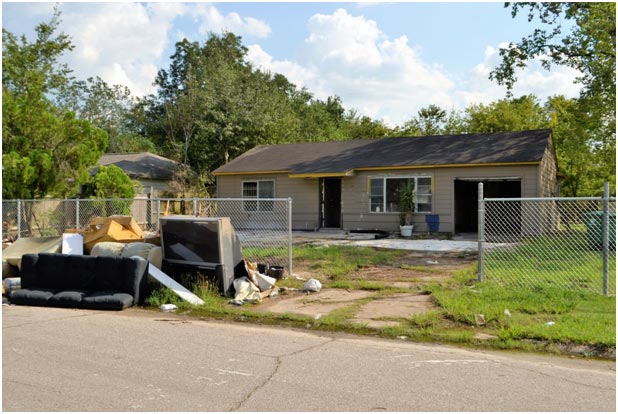
Being a homeowner can be complex. You have the benefit of your personal space to customize how you wish, but you also bear the responsibility for its maintenance and upkeep. For a homeowner, one of the most costly and frustrating experiences is water damage. Imagine the scenario of your home being flooded by water and then trying to get the damage repaired. It can be a really expensive and stressful situation.
But do you know what’s worse? It is not having your home insured against both water and flood damage. Yes, there are two types of damage insurances involving water, Flood Damage Insurance, and Water Damage Insurance.
Flood damage insurance will come into motion when your place is flooded and is massively damaged due to water from heavy rain, flash flood, storm, hurricane or even because of a dam breaking down. Floods usually have a natural source involved. Normally, an average homeowner’s insurance does not give protection against the flood damage. So, make sure while getting your place insured, you instruct the insurance provider to add the flood damage repair clause. But, if it is not possible then you should get a separate flood damage insurance policy.
On the other hand, water damage insurance comes into effect as soon as water from pipes, drains or other forms of plumbing harm the roof, walls, and floors. Homeowner’s insurance usually has such water damage covered in it. Thus, it comes handy when it is time to call the professional water damage repairman.
Since you are no longer in the dark about the difference between water damage and flood damage insurance, it is time that we discuss the frequent causes of water damage your home can face. It is ideal for you to know about them beforehand, so you can make sure that your home insurance policy does not leave out anything important. Let’s get started!
CLOGGED GUTTERS
Gutters help channel water away from your home during heavy rain or a storm. If you don’t regularly clean your gutters and downspouts, they can overflow, leaving lots of water next to your home's foundation. The overflow can seep into your basement or your foundation, causing flooding and long-lasting damage.
BURST PIPES OR WATER HEATERS
A burst or leaking pipes can cause a lot of damage before you realize what has happened. The water can quietly leak into the walls, floors, and baseboard causing extensive damage. If your walls and baseboards are damp for a long period, mold can form which is even more costly to remediate and resolve.
Pipes usually burst because of faulty or weak connections or water pressure that is too high. If you notice your water pressure is low, it’s good to check for damaged pipe or wet walls or floors.
PLUMBING GONE WRONG
Faulty plumbing is one of the most common reasons for water damage. Since pipes and hoses are mostly hidden behind walls, they remain unchecked for a long time. Lack of plumbing maintenance then results in leakage, causing water damage.
Water leakage also happens because of wrong plumbing repairs. For example, the attachment between pipes and hoses gets lose or easily broken. It is best to keep a check on your home’s plumbing to avoid any water damage issues.
HOUSEHOLD APPLIANCES
Household appliances like washing machines, dishwashers, refrigerators, and air-conditioning - all have connections to freshwater. These connections can deteriorate or burst. Washing machines and dishwashers can also overflow because of drain problems leading to massive water damage if not discovered quickly.
NATURAL OR WEATHER RELATED ISSUES
As humans, we have no control over natural or weather-related disasters, such as storms, heavy rains, or hurricanes. We can, however, take precautionary measures to ensure water stays away from the foundation of our home during a storm. There are several steps you can take to avoid flood damage from water and other natural disasters.
HOW TO AVOID WATER DAMAGE AND MAINTAIN A SAFE & DRY HOME?
Now that you know about all the ways water and flood damage can happen, we hope you will consider an adequate flood insurance policy. You can’t only rely on the water damage coverage provided by your homeowner’s insurance policy. Additionally, there are a few tips we’d like to share to help you stay safe from water and flood damage.
● Maintenance of greenery and trees is one of the best solutions to avoid water damage. Controlled and well-maintained landscaping not only help absorb excess water flow but also ensure that roots don’t cause harm to your sewer line.
● Basic home maintenance knowledge is essential to avoid any water accidents. You should know where your main water shutoff is, and you should turn it off immediately when you notice water damage. This is the most effective way to stop water from harming your place.
● A timely checkup of appliances will help you know when to upgrade their parts or get new machines.
● Prompt upgrades and repairs will not only ensure accident free-living but also keep your losses to the bare minimum.
● Keep a check on your water bill and usage because that’s an easy way to ascertain that you have a water leak. If you see a sudden spike in the usage, immediately investigate and find out the cause.
Conclusion:
Hopefully, what we have shared about water and flood damage will help you maintain your home. The best homes are not just the ones with fancy fixtures and large rooms but the ones that have owners who take good care of them. If you notice even the slightest signs of water damage and you are unable to find the cause, you should call a water restoration or remediation professional who can find and fix the problem before it becomes more terrible and costly.