




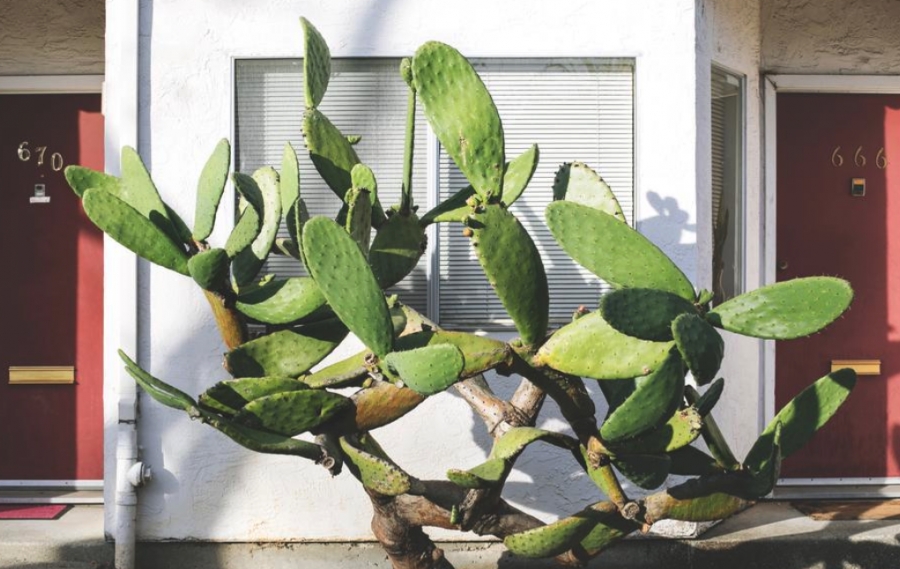
Xeriscaping is a landscaping concept that was designed to minimize water use, while still providing attractive and useful foliage for outdoor areas. The word “xeriscape” comes from Latin words “xeros,” meaning “dry,” and “scape,” meaning view or scene. Xeriscaping allows you to enjoy attractive outdoor plants, with reduced use of pesticides and herbicides, less maintenance and improved water usage. Understanding a few important principles of xeriscaping will help you achieve this type of landscaping for your property.
Use Appropriate Plants for Your Area
Xeriscaping encourages the use of native plants that are adapted to your region’s specific climate conditions. Generally, these plants only need the water that is available during normal rainfalls. You should rely on these for the majority of your plantings. However, you can also add non-native species, but it’s best to choose those that are water-conserving plants that do not need a great deal of maintenance.
Improve the Condition of Your Soil
Another important strategy of xeriscaping is using organic materials to improve and enrich the soil of planting areas. When soil is properly enriched, it holds more water for a longer period of time. This then allows the roots of plants to utilize moisture and nutrients more efficiently. Plants are healthier and need less additional watering.
Limit Turf Areas
Turf uses large amounts of water to sustain the growth of grass blades. You should limit the use of turf whenever possible. Where turf is desired, xeriscaping requires the use of drought-tolerant grasses, such as bahia grass, zoysia grass, Bermuda grass and centipede grass. You can use other types of landscape materials to fill landscape areas, such as stone, rock and wood.
Utilize Crushed Stone for Mulching
Mulching is another important part of xeriscaping, because these layers of natural material help to hold water near the root systems of plants. You can get crushed stone through construction material delivery. Crushed stone is attractive, durable and non-toxic mulch for use around the base of trees, shrubs and other materials.
Use Water-Conserving Irrigation
The prime goal of xeriscaping is to use as little additional water as possible. However, you may want some plants that require irrigation in order to thrive. A drip irrigation system is the most efficient method of providing regular watering for your landscape plants.
The principles of xeriscaping are not hard to implement, but they require careful choices of plant species and implementation of the most effective conservation methods. The additional care will provide you with yard areas that are beautiful, easier to maintain and more sustainable for the planet.