




Your homeowners' association plays a central role in your community. It keeps the area beautiful and orderly, free of conflict and safe for residents. With all the rules and regulations, however, some families feel like they're not receiving fair treatment, and the HOA has the opposite of its intended effect.
Instead of improving the quality of life for those within its jurisdiction, an HOA can have a negative impact. The members in charge of devising and enforcing rules aren't always aware of their broader implications, and despite good intentions, it's hard to please everyone. That said, members should still try.
With this in mind, what changes can your homeowners' association make to be more family-friendly? There's always room for improvement, and every HOA can, and should, adjust to align with the interests of those they serve. We'll detail three of those adjustments, examining the subject in greater depth.
1. Limit Rules on Child Behavior
Parents often have enough trouble trying to control overactive children. When an HOA places even more pressure on them to restrict their son's or daughter's behavior, it only adds to the stress, doing little to help. If your HOA enforces a strict supervision rule for all minors, they should consider a change.
Requirements demanding parents accompany their young children and teenagers everywhere are restrictive and difficult to accommodate. While it's essential to regulate the safety of minors in a residential community, HOA members also have to take a realistic approach to solving the problem.
HUD's acting assistant secretary for fair housing and equal opportunity, Bryan Greene, said in a statement, "The Fair Housing Act protects the rights of families with children to enjoy the same housing amenities that others do." When an HOA compromises these rights to ensure safety, satisfaction plummets.
2. Add Flexibility to Pet Policies
Most homeowners consider their cat or dog a furry family member, more than just a pet. They want to live in a community that accepts their animal as though they were another resident, with the same care, respect and freedom. An HOA with inflexible pet policies is often unpopular with these families.
It's perfectly natural to limit the number of animals, their breeds, species and weight while enforcing leash requirements. These are known as "reasonable restrictions," and you'll find them in most developments. A majority of associations don't mind pets, as long as they don't disturb other residents.
Other associations aren't as accommodating to families with pets, and though they might allow them, ownership is taxing. An HOA with strict pet policies should reevaluate their regulations and see how they might improve them. Reading up on what is and isn't allowed is the best place to start.
3. Encourage and Support Inclusivity
Mothers and fathers want to see their children grow up in a happy, healthy environment that fosters exploration and growth. If an HOA doesn't reflect their values, these parents will often feel confined. It's not enough merely to limit rules on child behavior, and HOA members should always go the extra mile to support families.
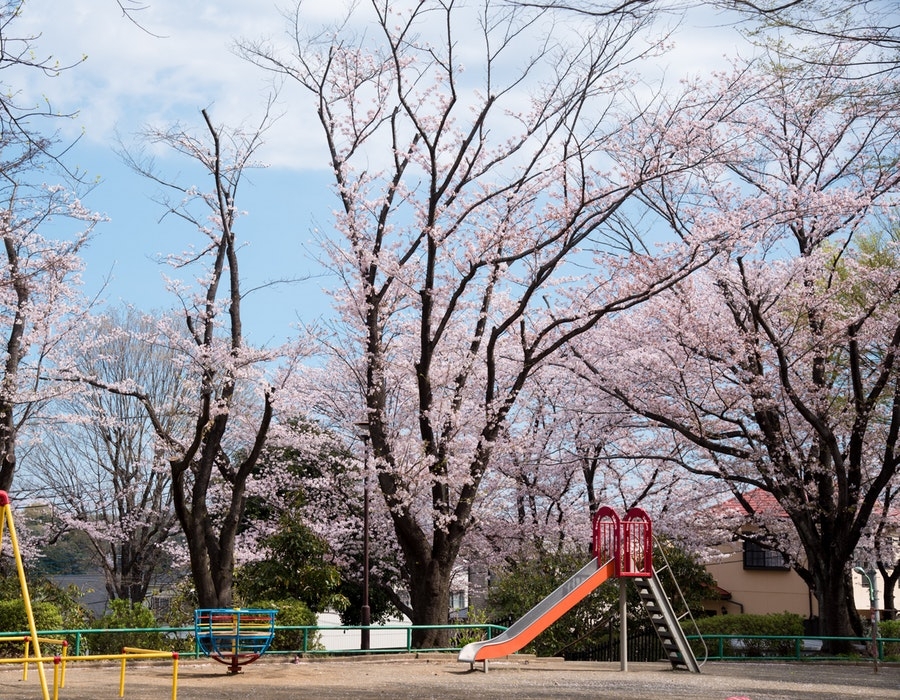
An inclusive playground is an excellent addition to any residential area, and an HOA that invests in this amenity shows their commitment to serving its residents. These spaces should address the needs of all children, accessible to those with intellectual disabilities, hearing impairments and other physical differences.
HOA members have an inherent responsibility to preserve the comfort of everyone within their jurisdiction, regardless of mobility issues or conditions. About one in six children has a developmental disability, and they deserve the same amenities as their peers. That's what it means to be a community.
There's Always Room for Improvement
Your homeowners' association might keep the area beautiful and orderly, but if the residents are unhappy, it isn't serving its function. Through implementing the three suggestions detailed in this article, members can make a difference in the satisfaction of families under their care.
Moving forward, review some of our advice and see how it applies to your HOA. There's always room for improvement, and you can do your part to help.